Okižu Wakpa Ikhiyeda Odowaŋ Čaŋte Iyapi Writing Residency
& Reading Celebration
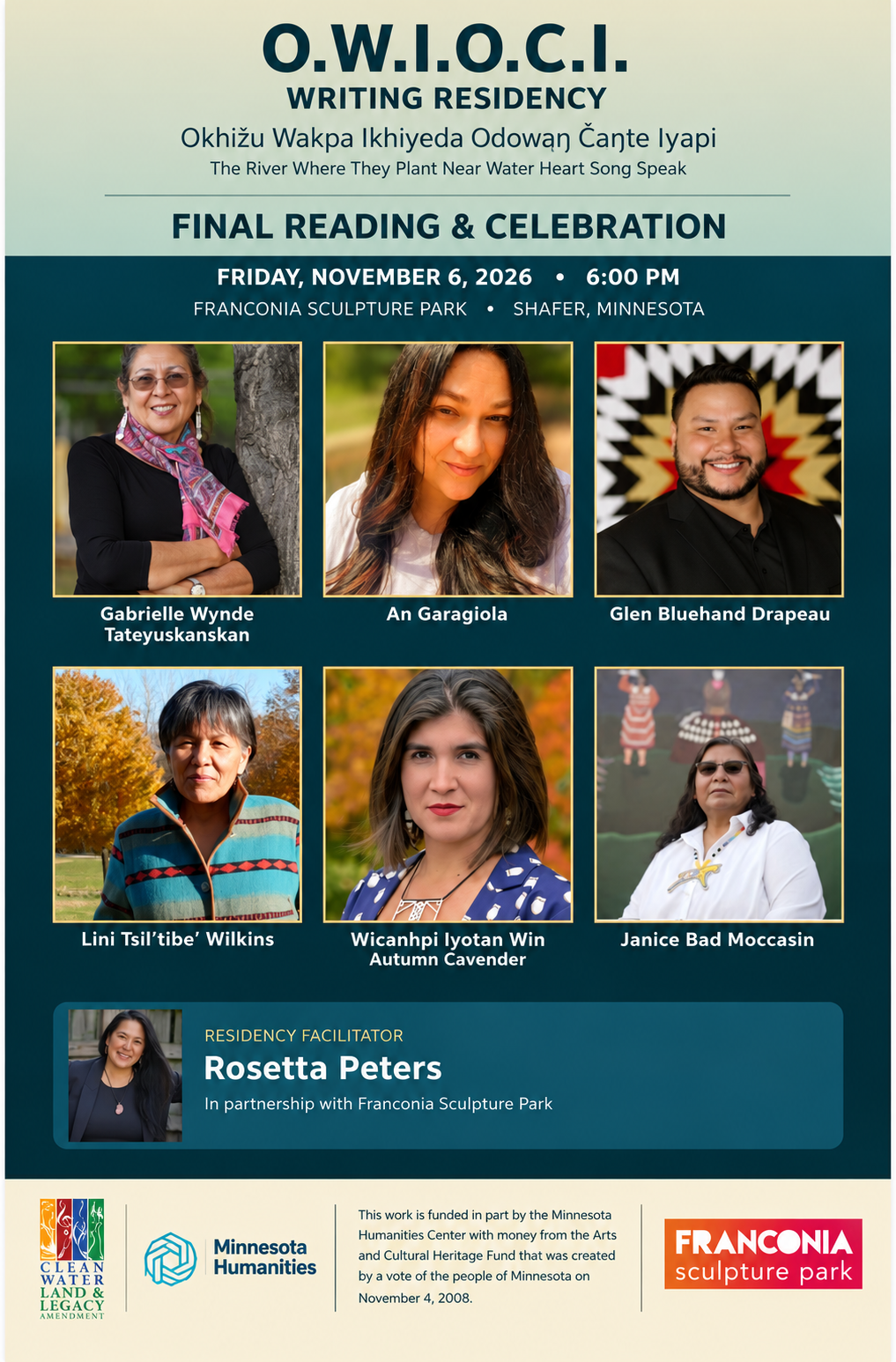
Friday, November 6, 2026 | 6-8PM
Join us at Franconia Sculpture Park on Friday, November 6th from 6-8PM for a reading by members of the inaugural O.W.I.O.Č.I (Oh-wee-oh-chee) Writing Residency, facilitated by Rosetta Peters.
A Word from Facilitator Rosetta Peters
“For a millennia prior to colonization this river was called Okižu Wakpa Ikhiyeda by my Dakota ancestors—the original stewards of Mni Sota Makoče. This is the river where they planted. 9 years ago, when I sat in my very first Beginner Dakota language class at the Indian Center in Minneapolis, I looked up at Čaŋte Maza after writing it down in my notes as part of my introduction, “What did they plant?” I asked. He squinted far off into the past and shrugged his shoulders, “I don’t know. You live there. What grows?”
Six years later—after being gifted two čaŋupas three weeks apart, a female and a male by the same carver, the answer came. Came with the male—the Warrior, the lightning that ran through, fusing us together, dropping me to my knees at the base of a massive “Burial Mound” across the street from where the Warrior was found—they planted themselves. They planted themselves. Our Ancestors planted themselves.
And Love grows here.
Love.
Okižu is to plant one’s own
Wakpa is river
Ikhiyeda near
The river where they plant themselves.
Cemetery River.
I’m sure they planted other things too, but our Ancestors planted themselves and I want us to honor that in our name now because it hasn’t been honored for last 170 years. And then what is the work of poetry? What do we do? It’s more than storytelling. To me, poetry is everything. It’s life. It’s music. It’s Magic. What is a poem if not a heart song being spoken into existence? We help human beings to see the world through the eye of their hearts. Black Elk said that about the Way of the Pipe—that our ceremonies and the pipe way is meant to help us see the world through the eye of hearts. Poetry does that for me. It is Sacred. Poetry is Ceremony. Poetry is Love. Poetry is Prayer. It is Heart Song. Poetry is Medicine.”
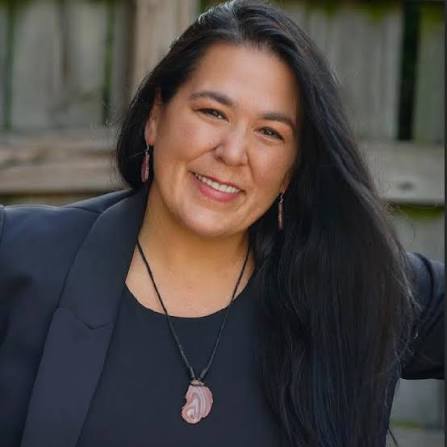
Rosetta Peters
Rosetta “Rosie” Peters is a poet, writer, and performer whose work is rooted in healing, truth-telling, and the full complexity of Indigenous identity. Peters was born of Ihanktonwan and Hunkpati Dakota Oyate as well as Irish and Dutch settlers. She writes and performs from that specificity of walking in two worlds with precision and care.
Based in Marine on St. Croix, Minnesota, Peters work across a range of formats: solo spoken word readings, live performance with composer-musician JG Everest, keynote speaking, and poetry workshops and residencies in schools, community organizations, tribal communities, and correctional facilities.
Peters is the co-founder of the Arrow Broken Poetry Collective, which hosts a monthly open mic in Marine on St. Croix. Her work has been recognized by the Minnesota State Arts Board, the Metropolitan Regional Arts Council (MRAC), and the 2026 MN Arts Experiences pilot program
Participating Writers
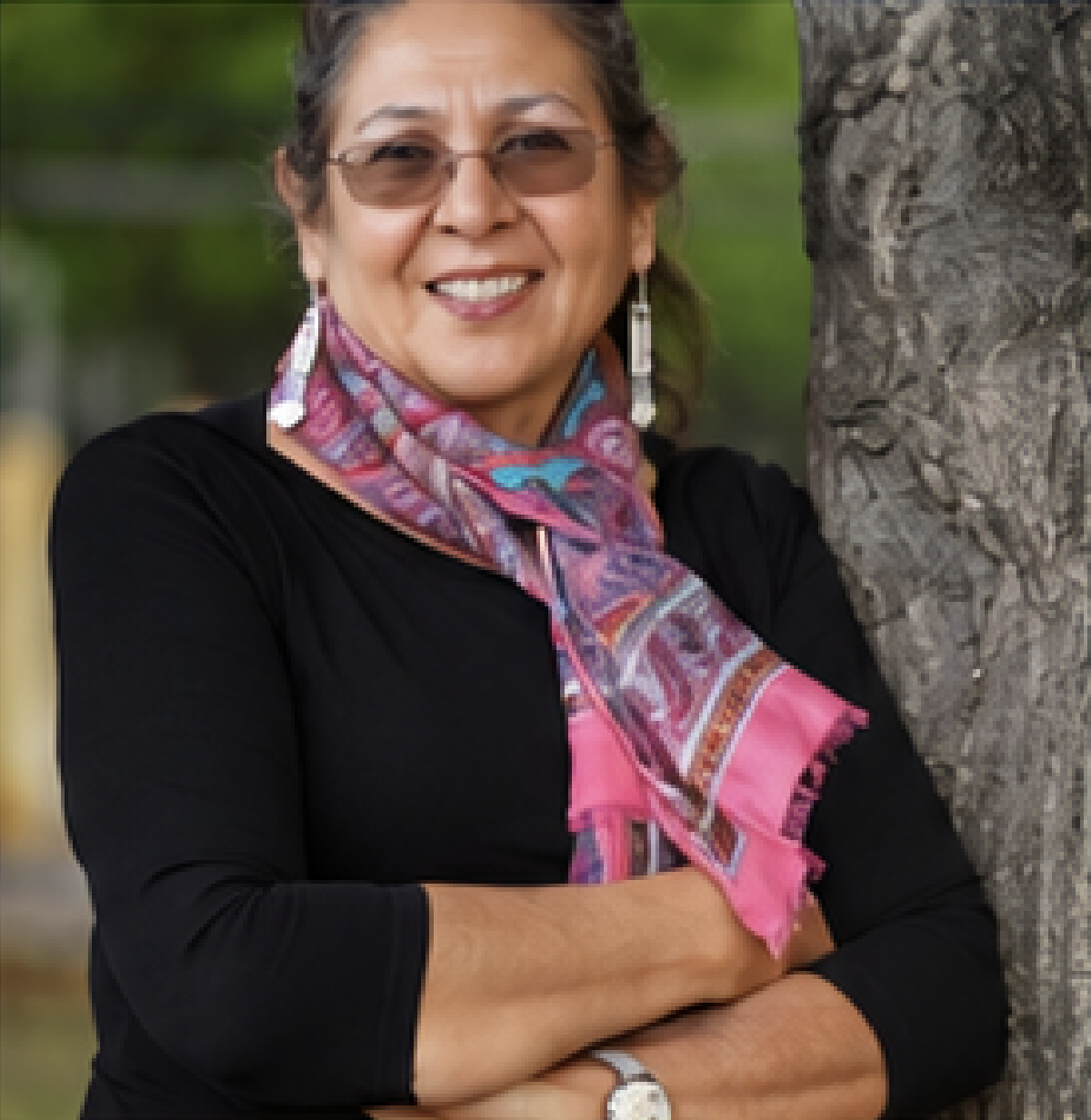
Gabrielle Wynde Tateyuskanskan lives in the rural community of Toka Nuwan or Enemy Swim on the Lake Traverse Reservation in South Dakota. She is a multi-disciplinary artist: jingle dress and traditional style dancer, a visual artist, textile artist, writer and poet. Gabrielle is a member of the Oceti Sakowin Writers Society. Her work has been published in the American Indian Quarterly; Waziyatawin Angela Wilson, In the Footsteps of Our Ancestors: The Dakota Commemorative Marches of the 21st Century; Oak Lake Writers’ Society, This Stretch of the River; Oak Lake Writers’ Society, He Sapa Woihanble: Black Hills Dream; John E. Miller, What Makes a South Dakotan; Yellow Medicine Review; Diane Wilson and Zibiquah Denny, Voices Rising: Native Women Writers; contributor to Charles Alexander Eastman (Ohiyesa), The Beginning, The Sun: The Dakota Legend of Creation; Studies in American Indian Literatures; and Descendant contributor, The Soul of the Indian: A Norton Critical Edition. Gabrielle is one of six women featured in Leya Hales documentary film Saksanica.
Cavender spends her free time making art, playing outside, and researching the occult. She lives in her ancestral territory on a small farm site with her partner, two sons, a German Shepherd, and the occasional chicken.
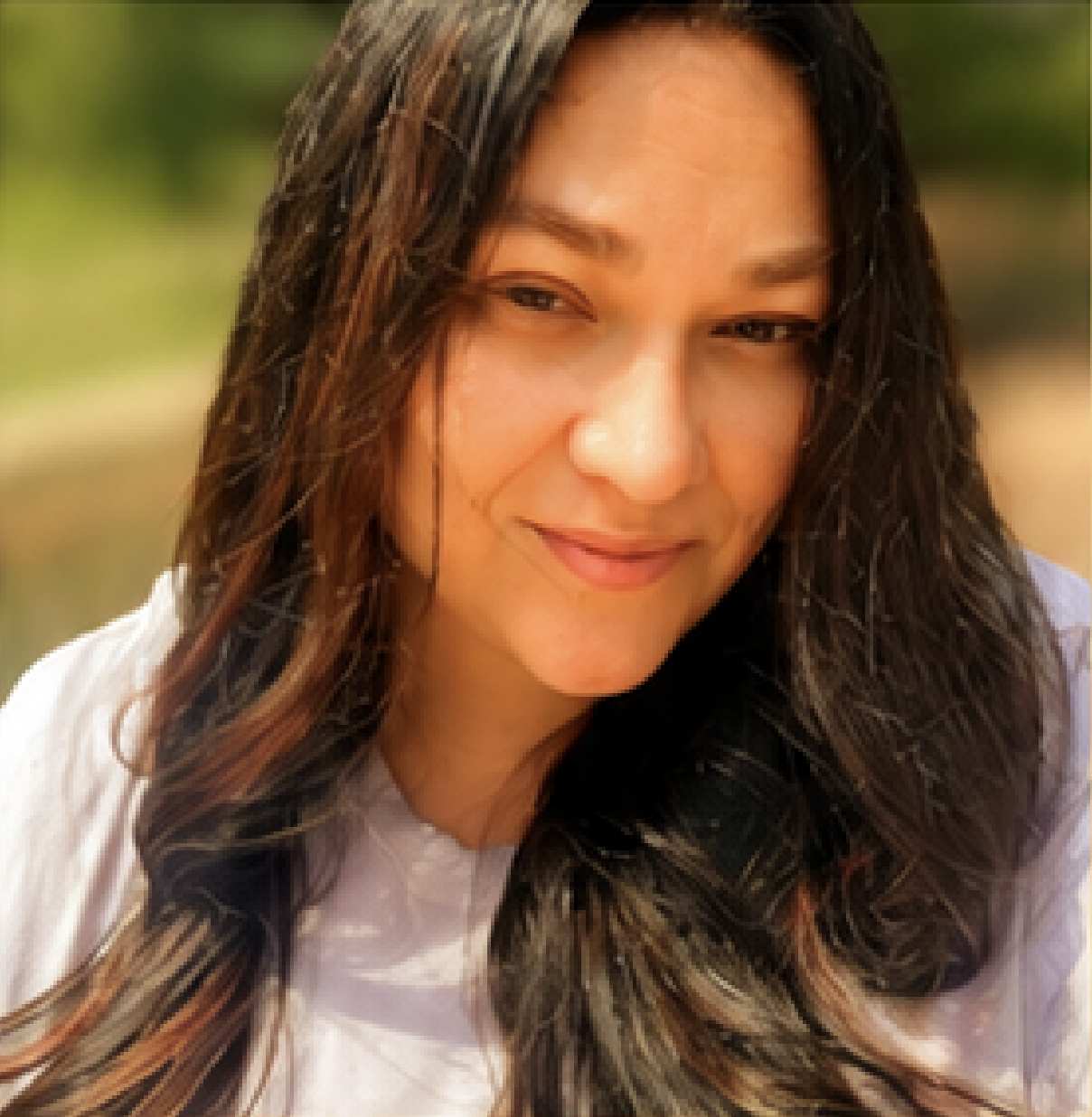
An Gargiola, Bois Forte, is a mother, researcher, and writer of Ojibwe and Italian descent born and raised in the Twin Cities. A PhD Student in American Studies at UMN, she uses Indigenous research methods/analyses and modes of understanding to interrogate how colonial policies and ideologies have impacted Indigenous wellness via land expropriation and through the subversion and suppression of histories, voices, and knowledges. As a mixed-race Anishinaabekwe, her blend of poetry, research, and advocacy is a personal reflection of her lived experiences.
In her daytime life, An serves as a data warrior, infiltrating and subverting systems one excel sheet at a time.
Poetry is the medicine through which she finds recovery from research.
An’s writing spans a breadth of subject matter including poverty, disability, addiction, suicide, love, loss, and Indigenous eroticisms. As she reclaims Anishinaabemowin, An seeks to incorporate it whenever possible. Trained in creative writing and policy analysis, her work is interdisciplinary, rooted in Indigenous Feminisms, and in the belief that healing happens in circles of relationality with ourselves, one another, and the land.
An’s writing has been published in Grist, FNDI, SPARK, and Minnesota Women’s Press. Her Master’s thesis was the TRUTH Project. Her dissertation continues this story. She is currently working on a collection called, Rematriating Myself, a memoir in poetry.
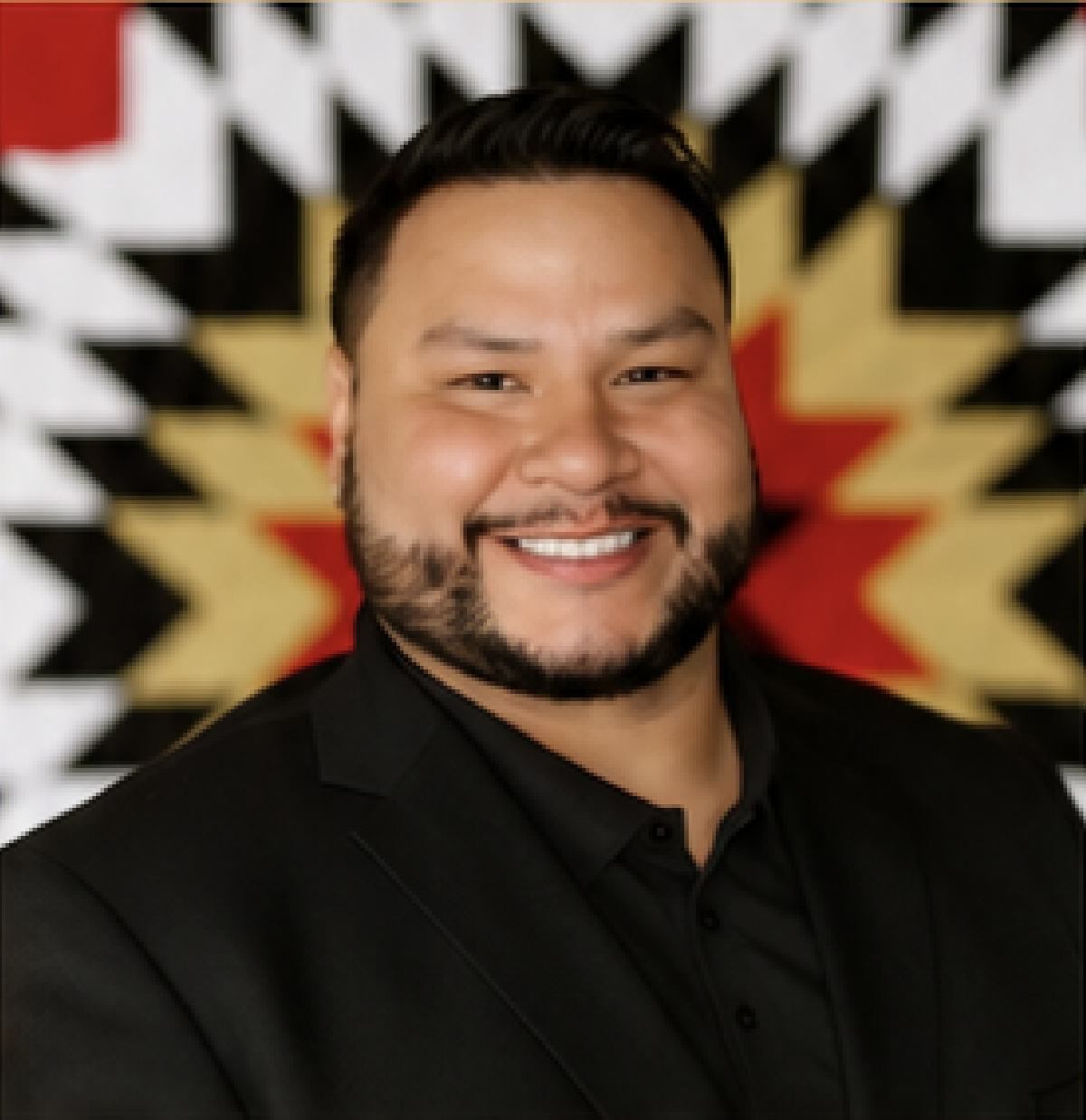
Glen Bluehand Drapeau is a Dakota poet and writer from the Lower Sioux Indian Community in southwestern Minnesota. A member of the Mdewakanton and Yankton Sioux communities, Glen draws deeply from his Dakota identity, spirituality, family, and lived experiences as sources of inspiration for his work.
Glen’s creative writing journey began at his local high school, where he first studied creative writing before attending Idyllwild Arts Academy in California as a dance major with a minor in creative writing. While he has been published in several high school publications, Glen considers himself largely a self-taught writer, continuing to develop his voice through poetry, prose, and free writing.
His poetry is spiritual and contemplative, often exploring grief, transformation, memory, identity, and the mysteries of existence. His mother remains his greatest muse, while his culture and spirituality provide an enduring foundation for his creative work. Glen’s writing often embraces abstraction and surrealism, allowing images and ideas to exist without requiring a single interpretation. Rather than telling readers what a poem means, he invites them to bring their own experiences, emotions, and understanding to the work. For Glen, a poem does not necessarily need to provide an answer—it can simply create a place for the reader to wonder.
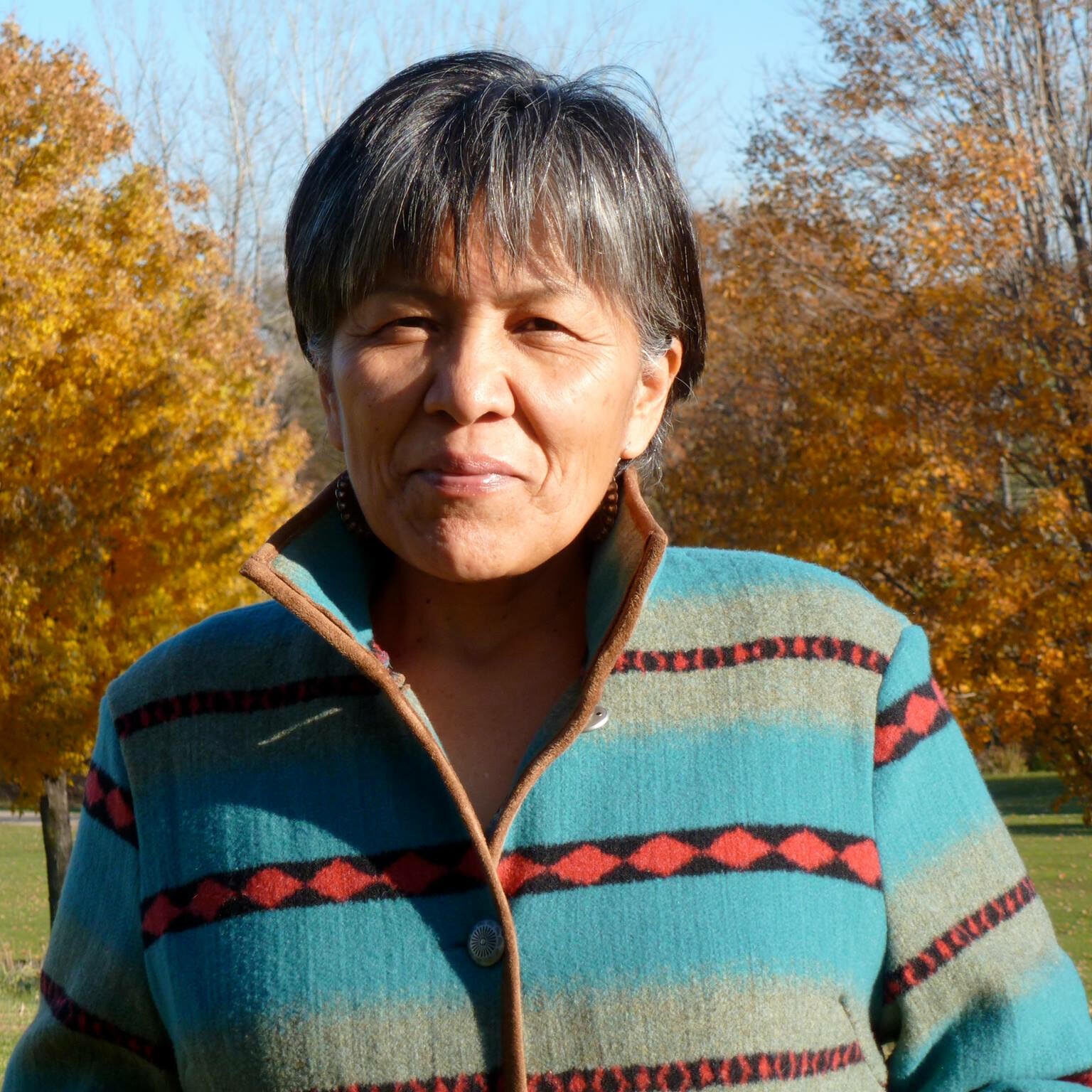
Lini Tsil’tibe’ Wilkins has a BA degree in Education from the University of Arizona and has taught K-12 for over 30 years. Now a Minnesota resident of 27 years. Playwright of three plays: The Visitor, performed at the Guthrie Theater in Minneapolis as a part of a larger play called Stories From the Drum, an Indigenous-led performance in June 2019. Parable, Don’t Put Your Moccasins Under Your Pillow, performed by New Native Theatre in December 2020. And Mushrooms Will Make You Go Blind with Ilbijerri Theatre Company in Australia performed in November 2021. In 2018, Lini performed in over 30 shows with New Native Theater’s production of Red Running Into Water by Diné Playwright, Blossom Johnson, and Virtual Medicine Man by Anishinaabe Playwright, Deanna Standing Cloud. Lini is featured in the film, A Winter Love written and directed by Dine Playwright, Rhiana Yazzie. Lini was selected as one of Twin Cities PBS’s emerging artists in 2022.
Lini is presently working on her first manuscript of a collection of short stories and poems. It is looking for a publishing home. The collection has stories that candidly and humorously speak of relationships with ourselves, with plants and animals. They hold historical traumas and show that through the sharing of our most intimate selves we may bring together the fragments of our own lives onto a path of renewal. A path where we reestablish our connections to K’é (kinship) and Hozho (compassion, love, kindness, respect, joy) and right-relationship. These stories need to be told and embodied as we find new paths forward based on the wise wisdom of our elders.
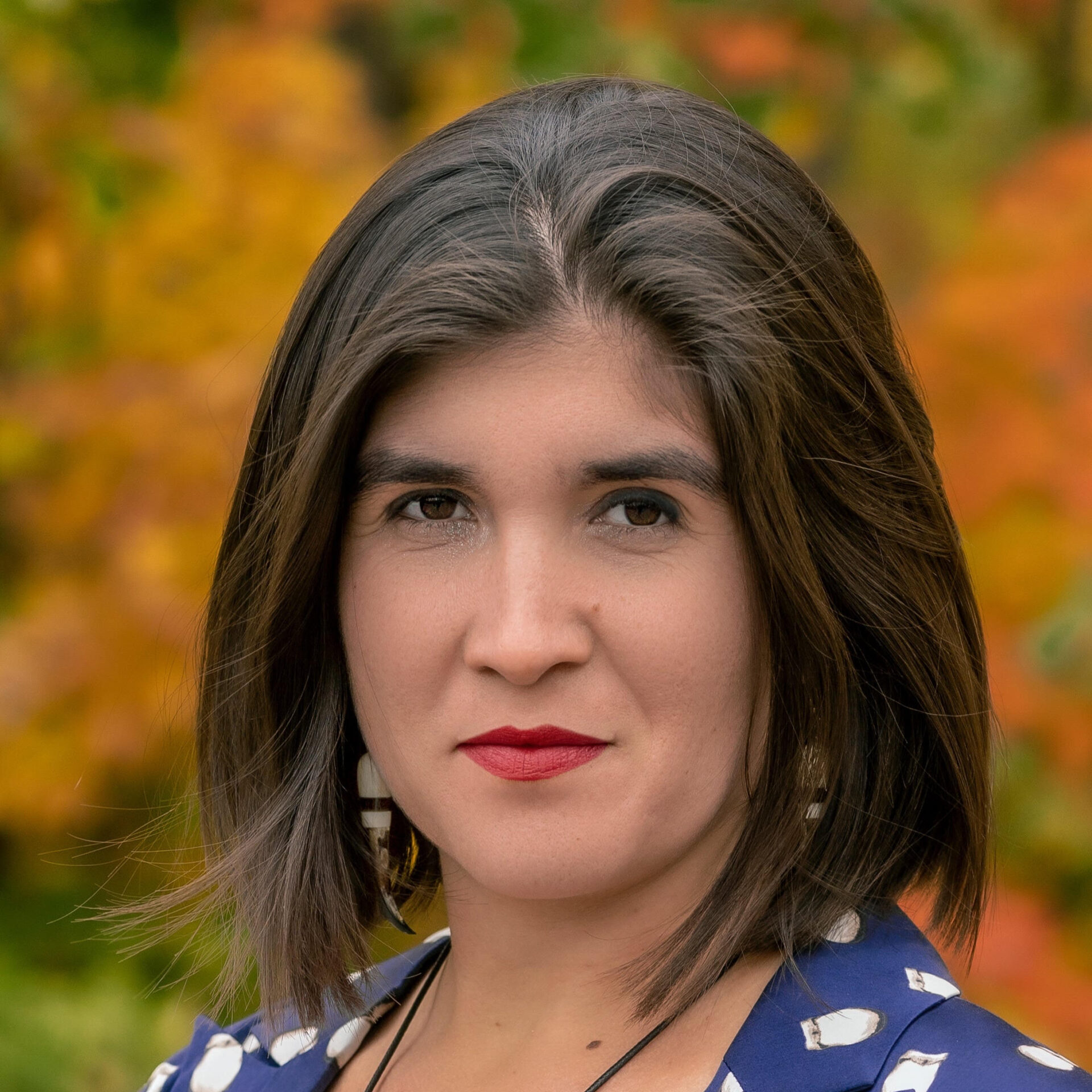
Wicanhpi Iyotan Win Autumn Cavender is a Wahpetunwan Dakota mother, wife, midwife, writer, and artist. These intersecting identities have led her to a life of local, national, and international activism and work, with particular emphasis on indigenous sovereignty, reproductive rights, and cultural revitalization, all in the face of colonization. An internationally featured artist, her work outside of the state primarily focuses on broad systemic issues, and Cavender has lectured, designed/taught trainings, and provided logistical support for indigenous communities under siege. More locally, her work focuses on practical midwifery, language revitalization, and reclaiming culture through art.
Cavender spends her free time making art, playing outside, and researching the occult. She lives in her ancestral territory on a small farm site with her partner, two sons, a German Shepherd, and the occasional chicken.
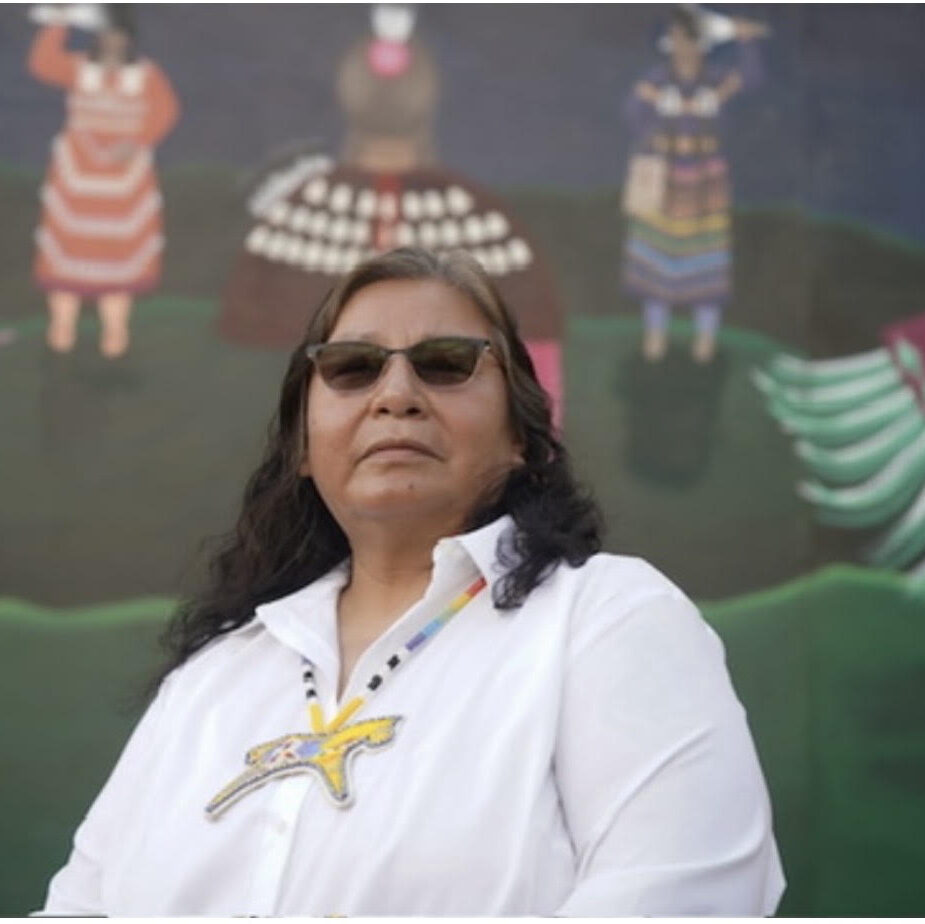
Janice Bad Moccasin is a Dakota cultural bearer, emerging poet, storyteller, orator, and movement artist whose creative practice is rooted in Dakota oral tradition, ancestral memory, prayer, and cultural reflection. A member of the Hunkpati Dakota people and the Crow Creek Sioux Tribe, she draws inspiration from the voices of her ancestors, the quiet strength of her mother, the teachings of the Buffalo Nation, and a lifetime of service within Native community.
Her writing carries the rhythm of oral tradition into poetry through repetition, cadence, prayerful language, storytelling, and reflection. She writes about identity, kinship, grief and healing, resilience, elderhood, the land, the Buffalo Nation, and the enduring relationship between ancestors and generations yet to come.
As an emerging poet, Janice is developing her own literary voice at the meeting place of Dakota oratory, poetry, cultural teaching, movement, and lived experience. She views writing as another way of carrying the fire of her ancestors honoring what has been entrusted to her while creating language for the present generation.


This program is possible thanks to support from the Minnesota Humanities Center with money from the Arts and Cultural Heritage Fund that was created by a vote of the people of Minnesota on November 4, 2008.
Location
29836 St. Croix Trail
Shafer, MN 55074
Franconia Sculpture Park resides on the ancestral Dakota lands of the Wahpekute in Mni Sota Makoce, along the St. Croix River which also holds significance by the Ojibwe and other Native peoples. We recognize, support and advocate for all Native nations and will actively center Native voices in our work.
Hours
The grounds of Franconia Sculpture Park are open 365 days a year from 8am-8pm.
The Franconia Commons building is open:
May 4 – Nov. 14:
Everyday, 10am-5pm
Nov. 15 – May 3: Friday-Sunday, 10am-4pm
Closed on National Holidays

